Creators start the sale. Brands can't see who they started it with.
Creator spend has outrun the tools brands use to measure it. Links and discount codes count the shoppers who click. Everyone else disappears.
Written by Siddhartha Malani8 min read
Key takeaways
- US brands will spend about $44 billion on creators this year. Only 6 in 100 marketers use advanced attribution to see what it buys.
- Links and codes count the shoppers who click. Most creator-driven sales take a detour: a comment, a search, a DM, a purchase days later.
- "Revenue went up the week the reel went live" isn't attribution. Ads, emails and sales were running too.
- Tie each order to the shopper and the creator post they came from, and every creator gets an exact revenue number.
On a Thursday in Mumbai, Kabir posts a reel about a compact blender from a small kitchen brand he likes.
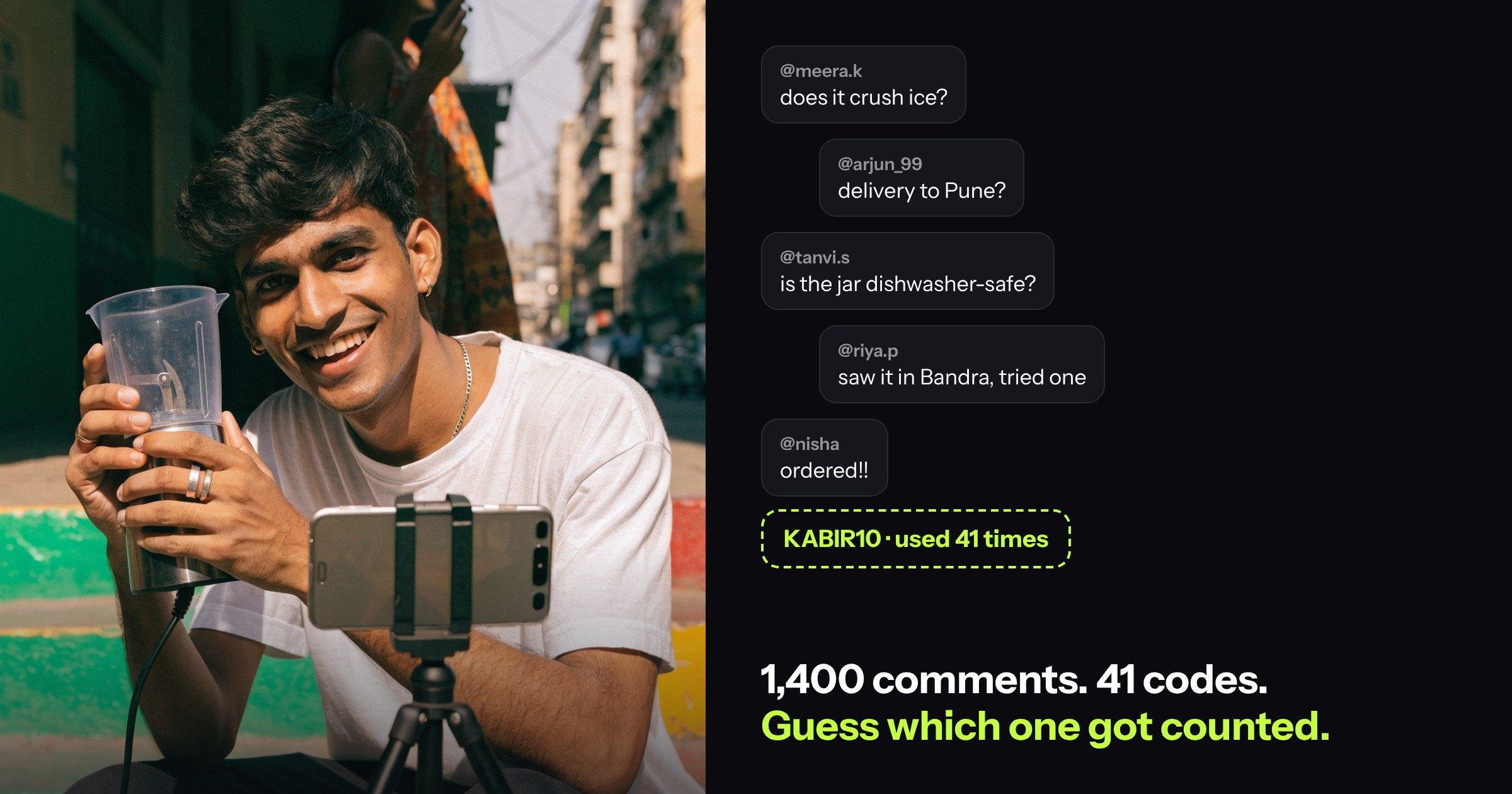
It does well. 380,000 views by Sunday and more than 1,400 comments. The brand gave him a code, KABIR10, and a tracked link in his bio. When the campaign report comes in two weeks later, the code has been used 41 times.
The brand's growth lead runs the numbers: Kabir's fee divided by 41 orders. It's more than they pay for a customer through ads. The spreadsheet says don't renew.
Nobody reads the 1,400 comments. If they did, they'd find 312 questions. Does it crush ice? Delivery to Pune? Is the jar dishwasher-safe? They'd find people tagging friends, people saying they'd ordered, and people saying they'd seen it in the brand's store in Bandra and gone in to try one.
The 41 that counted, and everyone who didn't
A discount code counts one kind of shopper: the one who remembers the code, at checkout, on the brand's site, before it expires. A tracked link counts another: the one who taps it in the bio and buys in the same session.
Real buying rarely goes that way. Someone sees the reel, asks a question in the comments, gets distracted, searches for the brand's name three days later and buys without the code. Someone else sends the reel to a friend on WhatsApp, and the friend buys. A third person goes into the shop. Kabir started every one of those sales. None of them reached his spreadsheet.
That detour is the normal path now. In India, 7 in 10 shoppers who see a product in their social feed go to Google Search to evaluate it before buying, according to a Google-commissioned Ipsos study. The creator starts the journey, and a search box, a DM or a shop counter finishes it.
"Revenue went up that week" isn't an answer
Without a better signal, brands fall back on the chart. Kabir's reel went live on Thursday, and sales that week were 2.4 times a normal week. So the reel worked?
Maybe. The same week, the brand's Diwali sale started, its Meta campaign doubled its budget and a newsletter went to 60,000 subscribers. The bump was real. Who caused it wasn't clear. Credit all of it to Kabir and the brand overpays him for the next year. Credit none of it and it drops a creator who was quietly bringing in its best customers.
Most creator renewals are decided this way: a fee, a revenue chart and an assumption. It's not that brands don't care about the answer. Their tools only see the end of the journey, so every channel claims the same sale, or none of them does.
Creator spend has outrun creator measurement
The money is serious. US brands spent $37 billion on creators in 2025, up 26%, and are on course for about $44 billion in 2026, according to the IAB. Globally, BCG puts brand spend on creator marketing at more than $30 billion and growing faster than marketing budgets overall.
The measurement isn't. In a BCG survey of 940 marketers, 53% of leading companies named ROI as their top creator-marketing challenge. Only 6% use advanced attribution. Half still judge creators mainly on reach and engagement. BCG also notes that marketing mix models, built for paid media, read organic impressions poorly, so they understate what creators do.
Even the industry body admits there's no common measure. In its latest report, the IAB found that 66% of respondents want a standard definition of a creator "view". When an industry can't agree on what a view is, it can't agree on what a sale is either.
Creators close more sales than they get credit for
Marketers seem to know this, even if their reports don't show it. In a study by LTK and Northwestern University of 209 senior marketers, creators were named the most trusted source of recommendations, ahead of ads and celebrities. Marketers rated creators' influence highest at the point of conversion and at loyalty, 55% for each. Yet the impact they actually report is mostly brand sentiment and awareness.
In other words, brands believe creators close the sale, then measure them as if they only start a conversation. The gap between those two is where Kabir's 312 questions live.
Where checkout lives inside the video, nothing gets lost
There's one place where creator sales are fully visible: platforms where the shopper buys without leaving the video. On TikTok Shop in the US, 15.4 million creators earned commission as affiliates in 2025, and nine of the top ten by sales mostly sold live, according to Momentum Works. Live selling makes up about 14% of TikTok Shop's US sales and about 33% in Southeast Asia.
Those numbers are easy to count because the conversation and the checkout happen in the same place. Everywhere else, the conversation is the missing link between the creator and the order, and it's sitting in the comments and DMs.
Five ways to see what your creators really sell
- Keep the codes and links, but stop trusting them alone. They count the shoppers who click, not everyone a creator moves.
- Read every comment under a creator's post as data. Tag who asked, what they asked and what stopped them.
- Answer those shoppers, and match their orders back to the conversation. That's the link codes can't make.
- Separate the creator from everything else that ran that week. A bump during a sale, a campaign and a newsletter isn't one creator's result.
- Rank creators by revenue per fee, not views. Then do the same for your own posts. The blind spot isn't only in your creator budget.
Seeing the whole sale
When the brand matched Kabir's 312 commenters to its orders, 96 had bought within ten days, 71 of them without his code. That's ₹3.2 lakh of revenue the spreadsheet never saw. At his ₹63,000 fee, the cost per order fell from about ₹1,540 to about ₹660, less than the brand pays for a customer through ads. The rest of the week's bump belonged to the sale and the campaign, and now the brand could see which was which.
It renewed his contract and asked him to answer the ice question in his next reel. It also stopped sending his audience to the same English homepage. Shoppers who commented in Hindi now land on the blender page in Hindi, with the jar size and colour they asked about already selected.
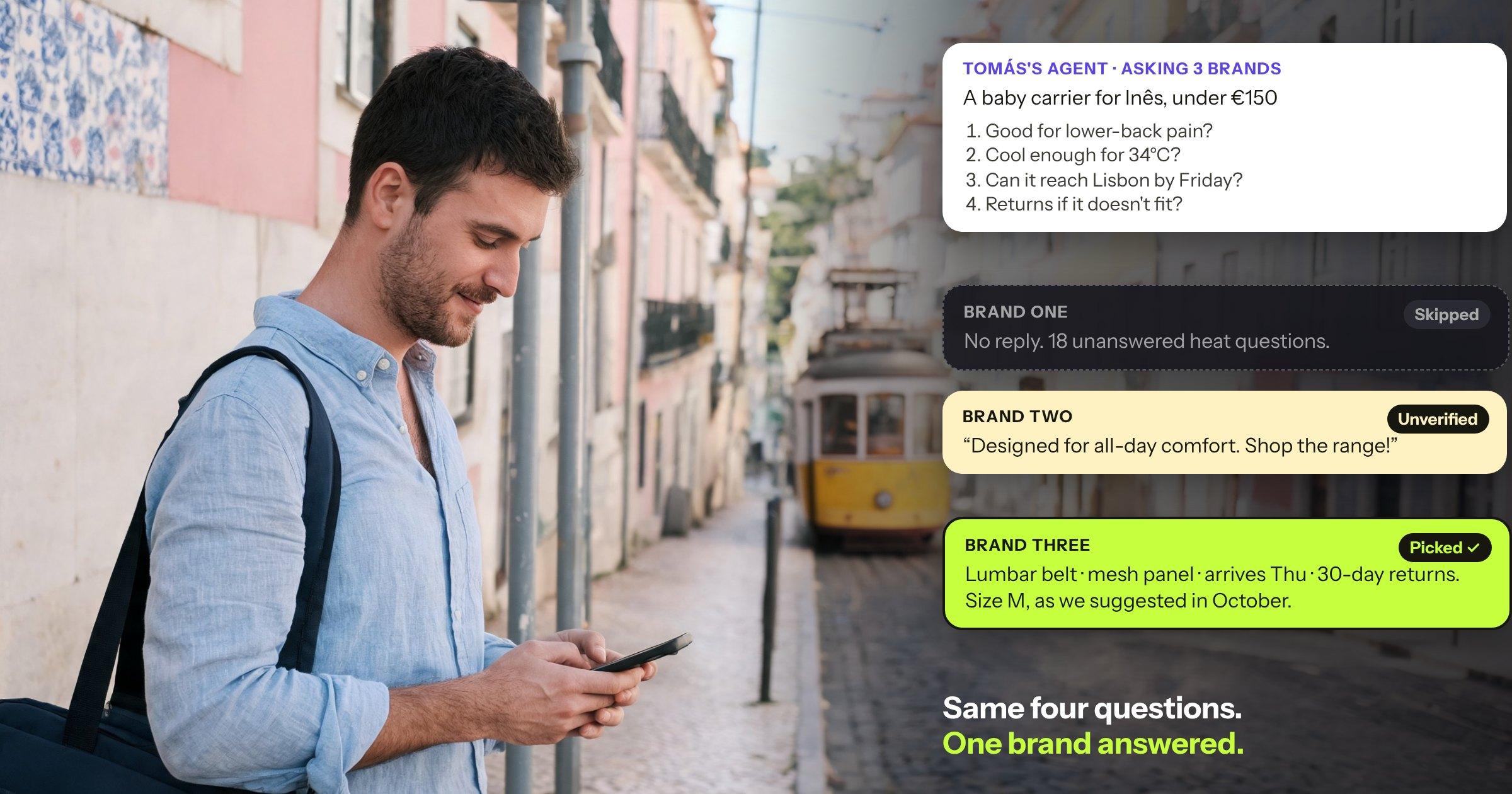
That's what Creatorgoose does today. We answer the conversations under every creator post and every brand post, and tie each shopper's order back to the post that started it. You see each creator's exact orders and revenue, kept separate from your ads, emails and sales. And when those shoppers come back, their page opens in their language, on the version they asked about, so more of them buy. Book a demo to see how it would work for your brand.
Sources (7)
- IAB, 2025 Creator Economy Ad Spend and Strategy Report, via Deadline
- BCG, The Power of Authenticity: How Leading Brands Are Pulling Ahead in Creator Marketing (2026)
- IAB, The Creator Economy's Next Chapter (2026), via PPC Land
- LTK and Northwestern Medill Spiegel Research Center, Creator Marketing 2026: Wave 4
- Google India, Decoding India's two-speed festive shopper (2026)
- Momentum Works, TikTok Shop US GMV grew 68% to US$15.1B in 2025
- Sprout Social, social media customer service statistics
Map every order back to the creator who started it
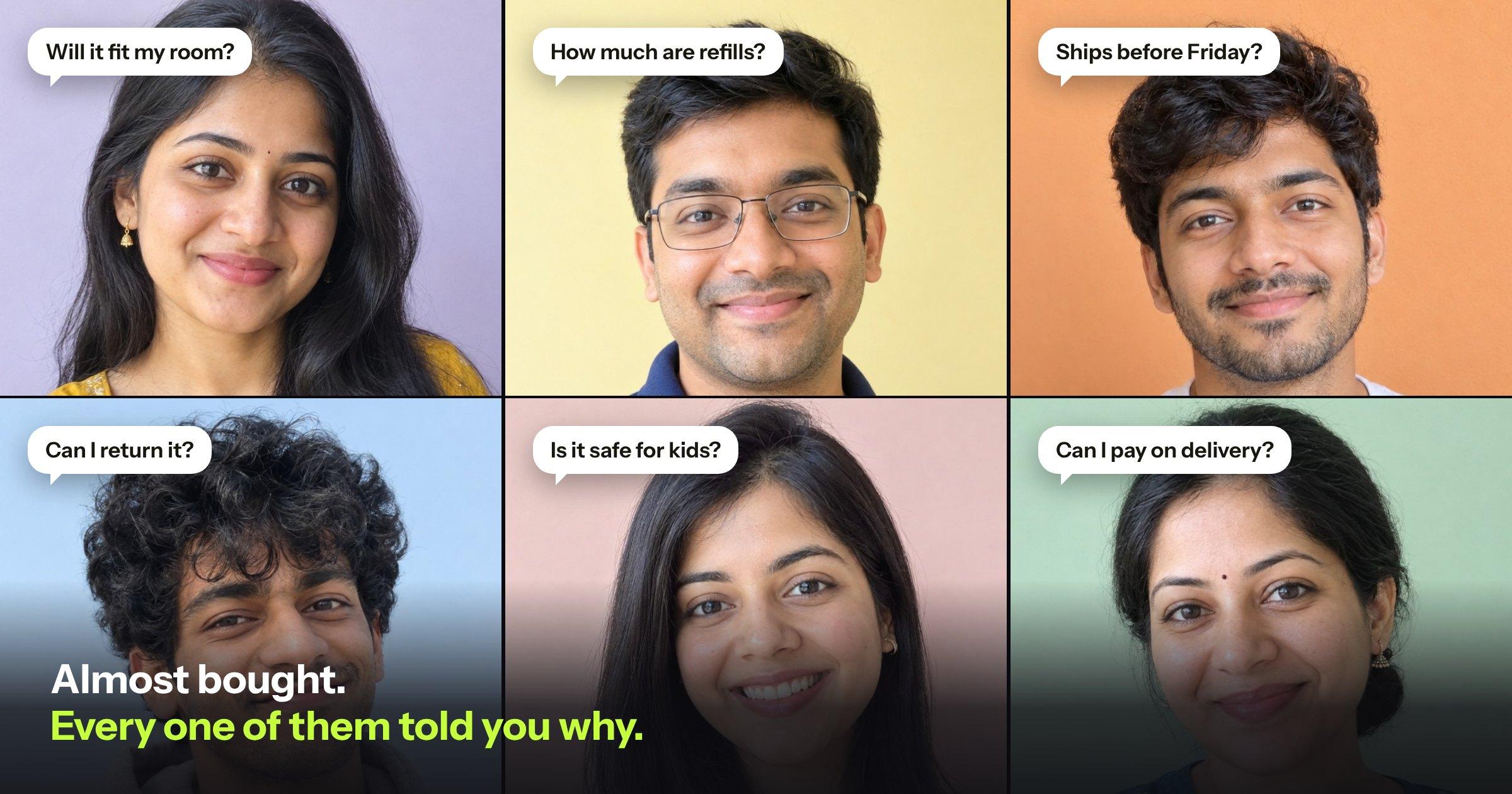
Read Kabir's comments as data and the picture changes. Each question names a shopper, the product they wanted and what was stopping them. Answer them, remember them, and when one of those shoppers orders three days later, with or without the code, the order is tied to the conversation and to the reel that started it.
That's what separates Kabir from everything else that ran that week. A shopper who asked under his reel and bought on Sunday counts for Kabir. A shopper who clicked the Meta ad and never saw the reel counts for the ad. The bump stops being one number and splits by where each buyer actually came from.
For each creator, a brand can then see:
Now creators can be ranked by what matters: revenue per rupee of fee, not views per post. Some creators with modest reach will turn out to move exactly the right people. Some with huge reach won't.
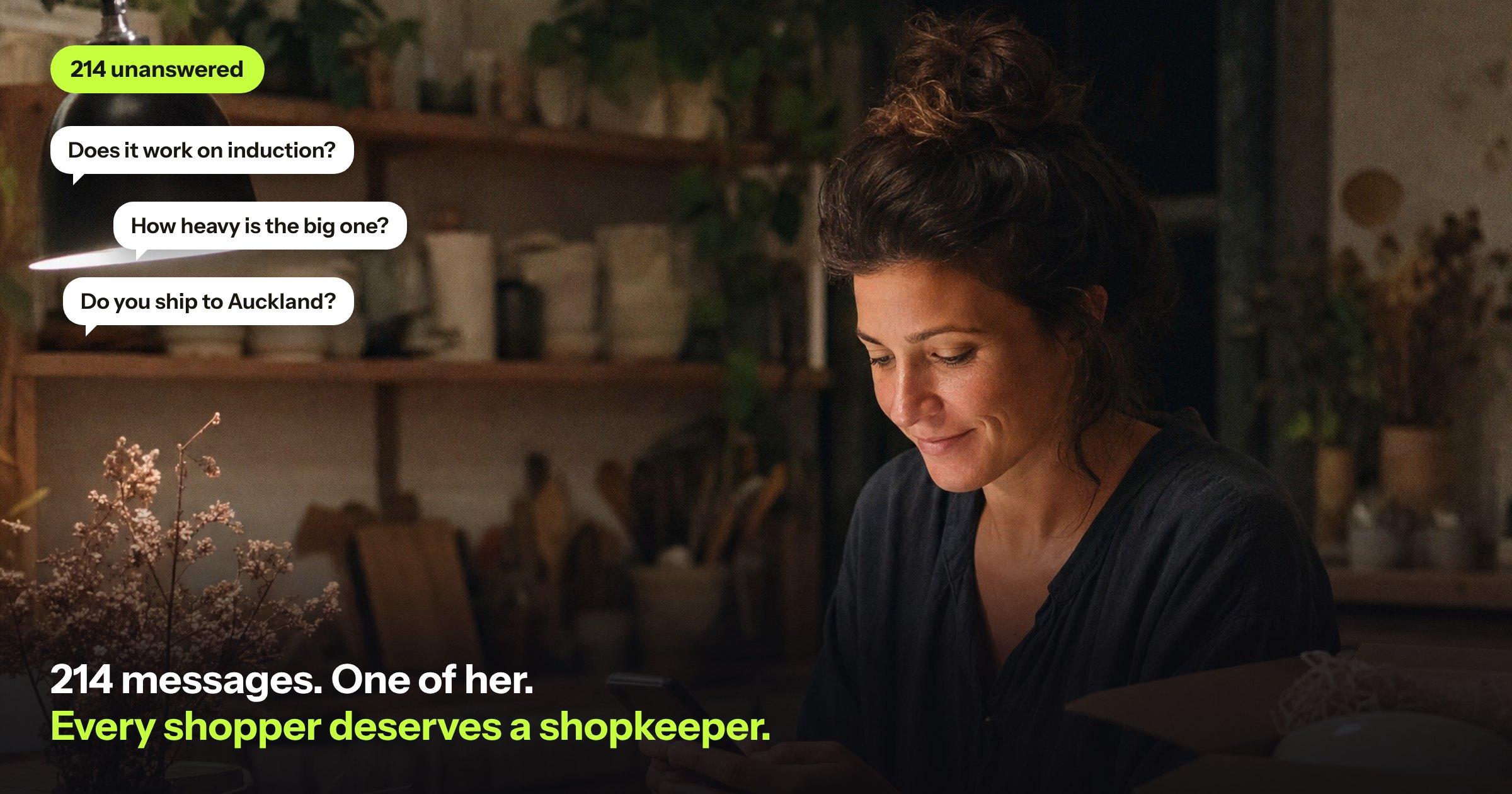
This isn't only about creators. A brand's own posts have the same blind spot. A typical brand on Instagram receives 18 messages a day and answers about 7% of everything shoppers send it on social, according to Sprout Social. Every unanswered question under a brand's own reel is a sale it will never be able to trace.